26
Sep
- Blog
- September 26,2026
- 0 Comments
Diet:
- Diabetic diet
- Hypoglycaemia
- Healthy diet
- Renal diet
- Diet to reduce uric acid
- Diet for fatty liver
- Diet for immunocompromised individuals
It’s a diet low in carbohydrate, high in protein and has moderate amount of healthy fats.
Goals of diabetic diet-
- appropriate calories to achieve and maintain healthy body weight.
- maintain blood glucose in normal range
- achieve optimal blood pressure
- achieve optimal lipid levels.
- prevent acute and long term complications of diabetes.
- adjust personal and cultural preferences.
Goals can be achieved by-
- Nutritional content rationalisation.
- Consistent portion size.
- Consistent meal timing.
- Increasing fiber intake.
- smart snacking ( protein/ fibre)
- Post meal walks for 10 minutes.
1. Restrict calories-30 calories per kg ideal body weight ( IBW*)( and not as per your current weight)
Or
2. Calculate your calories required per day by using ‘Calorie calculator’ at ‘Calculator.net ‘
Or
3. Rough estimate of daily calorie need –
- men & active women – 30 kcal per kg IBW.
- sedentary men, women & adults over 55 years – 25 kcal per kg IBW.
- adults with obesity- 10 kcal per kg IBW.
Use the calorie chart to plan your meal.**
Have-
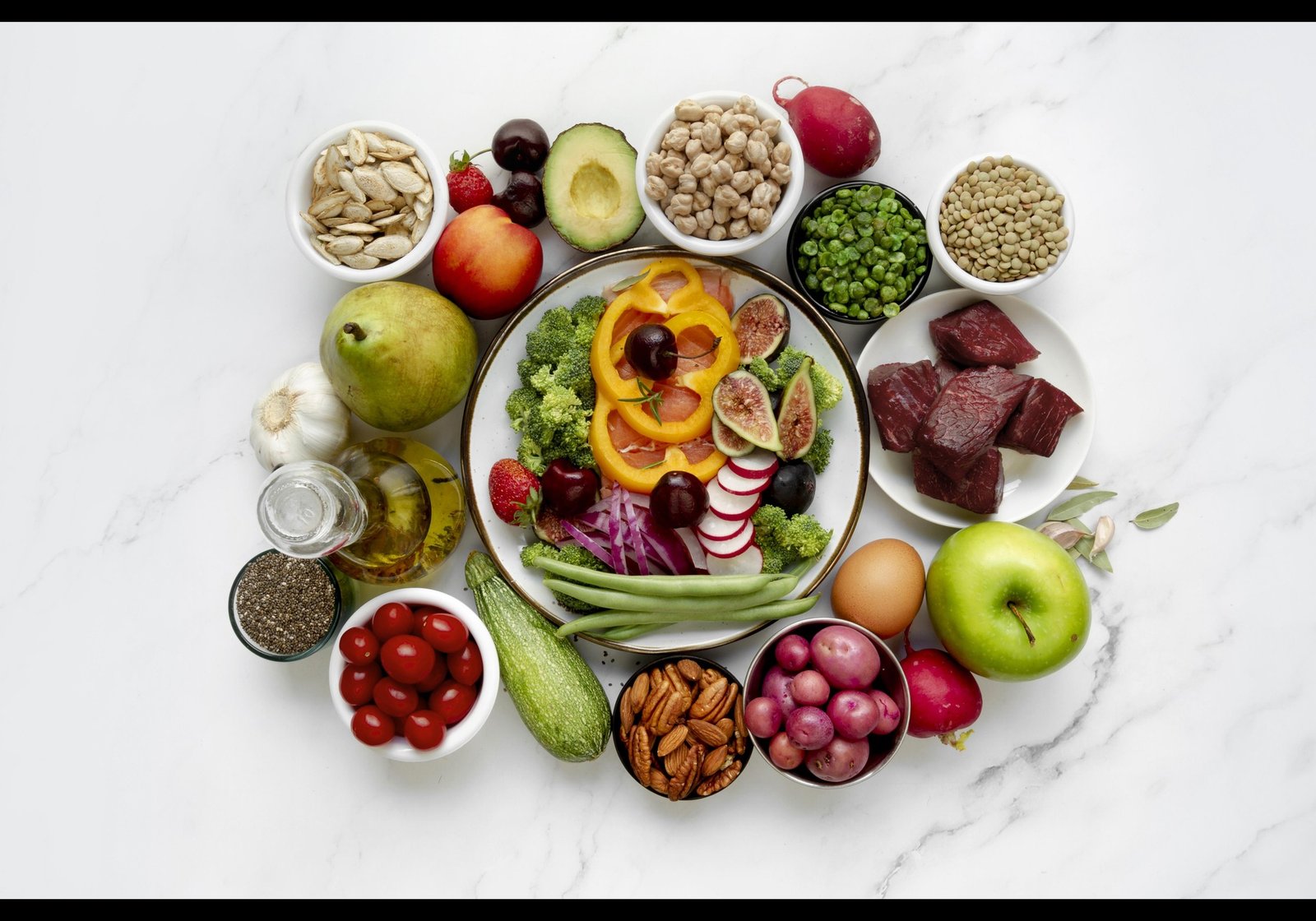
- Choose “healthy” fats – These are also called “monounsaturated” or “polyunsaturated” fats. Healthy fats are found in things like olive oil, canola oil, and sesame oil. They are also found in nuts, seeds, avocados, and nut butters.
- Choose lean meats, poultry, seafood, and proteins – fish ( salmon, mackerel,tuna, sardines),chicken,Egg white,seeds,nuts( walnuts, pistachios, almonds),soy products ,peas,beans.
- Vegetables-non-starchy, colorful vegetables- lettuce,spinach,broccolis,cauliflower,zucchini,cabbage,avocados,jack fruit.
- Fruits-cherries,berries,guava.
- Oils – olive oil, rice bran oil
Limit or avoid –
- Grains to limit or avoid-Grains made with refined flour. Examples include breads, chips, cookies, cakes, pastries,candy, doughnuts, granola, baked goods, muffins, pizza dough, and pie crusts etc.
- Fruits to limit or avoid –banana,custard,apple,mangoes,grapes,chickoo,figs,plums,watermelon,dried fruits,fruit juices,processed fruit products, sweetened beverages
- Vegetables to limit or avoid– Starchy vegetables(white potatoes, sweet potatoes, yam, arbi,beet root, pumpkin,corn, and turnips)
Avoid-
- sugar rich foods- sugar, jaggery, honey,sugar syrups, jams,jelly, marmalades, chocolates, ice cream.
- Trans fat / saturated fats – margarines,fast food,deep fried foods, baked goods,palm oil, coconut oil,meats egg yolk, butter,cheese, full fat milk.
- Crabs,prawns,shellfish.
- Artificial sweeteners
- Alcohol
Easy method of diet planning-
- 5 bowl method ( 3’’bowl)
- Veg
- Non -veg
- Sprout
- Salad
- Curd
- 1 chapati
OR
- Plate method( 9’’ plate)-
- Half plate – non starchy veg
- 1/4 plate – lean meat
- 1/4 plate – low glycemic index carbs.
- Side dish – curd
* Ideal body weight (IBW) –
- Male= 50 kg+2.3kg for each inch over 5 feet.
- Female = 45.5 kg+ 2.3kg for each inch over 5 feet.
** Calories Guide ( this is not an exhaustive list)
Breakfast items-
- Aloo paratha 300 cal
- Chole Bhature (1 serving) -450-500 cal
- Dosa (1 medium) – 168 cal
- Idali (1 piece) — 40 cal
- Misal Pav (1 plate) — 400 cal
- Paratha(1piece,plain)-260 cal
- Poha (1 cup) — 250 cal
- Samosa 1 piece – 200 cal
- Upma (1 cup) — 220 cal
Lunch & Dinner items-
- Biryani (1 plate, chicken/veg) -500-700 cal
- Dal (1 cup cooked) -150 cal
- Khichri (1 cup, moong dal + rice)250 cal
- Mutton curry – 1 bowel – 240 cal
- Poori – 1 peice-240 cal
- Rajma (1 cup)-250 cal
- Roti (1 piece, whole wheat) – 120 cal
- Rice (1 cup cooked) – 200 cal
- Sabzi (1 cup,cooked with light oil) – 120-180 cal
- Sambar (1 cup) —150 cal
Snacks & Street Food-
- Bhel Puri (1 serving) —250 cal
- Pakoras (100g, mixed vegetables)-300 cal
- Pav Bhaji (1 plate with buttered pav) – 450 cal
- Pani Puri (6 pieces with stuffing and water) – 180-220 cal
- Samosa (1 piece, medium) – 150-200 cal
- Vada Pav (1 piece) — 280 cal
Sweets & Desserts-
- Gulab Jamun (1 piece)-150 cal
- Halwa (1 serving, gajar/sooji) – 300-400 cal
- Jalebi (1 piece, medium) -150-200 cal
- Kheer (1 cup) —300 cal
- Ladoo (1 piece, besan/motichoor) 180-250 cal
- Rasgulla (1 piece, medium) – 120 cal
Beverages-
- Buttermilk (1 cup, unsweetened) – 50 cal
- Chai (with milk and sugar, 1 cup) 100 cal
- Coconut Water (1 cup) — 45 cal
- Lassi (sweet, 1 cup) -220 cal
- Sugarcane Juice (1 glass,250 ml) – approx 180 cal
Fruits Kcal per 100 Gm
- Watermelon 26
- Papaya 32
- Grapes Black 45
- Kiwi Fruit 45
- Pineapple 46
- Peach 50
- Pears 51
- Orange 53
- Plums 56
- Apple 56
- Lychee 61
- Guava 66
- Cherries 70
- Mangoes 70
- Strawberries 77
- Pomegranate 77
- Chickoo 94
- Banana 95
- Dates 281
Calories Per 100 gm-
- Butter – 750 cal
- Cheese – 315 cal
- Cream – 210 cal
- Ghee – 910 cal
- Ice cream – 170 cal
- Margarine-740 cal
- Pork-340 cal
- Chicken-150 cal
- Peanuts-570 cal
- Bread-230 cal
- Cornflakes with milk- 200 cal
- Chocolate biscuit- 520 cal
Hypoglycaemia – blood sugar less than 70 mg/dl.
It occurs most often in peoplewho take insulin but can also occur in people who take oral diabetes medicine.
Causes –
1. Eating too little .
2. Delaying a meal
3. Skipping a meal
4. Excess diabetes medicine ( insulin/ tablets)
5. Extra physical activity.
Symptoms of Hypoglycemia-
1. Having no energy/ feeling weak.
2. Extreme hunger.
3. Heart pounding or racing.
4. Headache.
5. Dizziness.
6. Blurring of vision.
7. Confusion/ irritability.
8. Drowsiness.
9. Unresponsive.
Check your blood sugar immediately if you have any symptoms of low blood sugar. If you think your blood sugar is low but cannot check it at that time, treat anyway.
Treatment –
1. Check your blood glucose.
If your blood glucose level is:
- Less than 70 mg/dL: Treat with 15 grams of carbohydrate*
- Less than 50 mg/dL: Treat with 30 grams of carbohydrate.
2. Check your blood glucose again after 15 minutes of treatment.
3. If your blood glucose level is still less than 70 mg/dL, repeat treatment.
4. Once your blood glucose returns to normal, eat a small snack if your next meal is more than one hour away.
5.Consult your doctor.
What should someone do if a person passes out from hypoglycemia?
- Call Emergency Ambulance.
- Do not try to give the person anything by mouth.
- If you have a glucagon injection kit and know how to use it, you may give the person glucagon injection.
How to prevent hypoglycemia?
1. Meals need to be taken on time and in right quantity
2. Long gaps in between meals to be completely avoided.
3. Monitor blood glucose on glucometer / CGMS and see your doctor for insulin and tablets dose adjustments
4. Inform your diabetes doctor if any other medications changed or modified recently.
5. Avoid fasting (or ask your doctor to adjust medicine dosages before fasting)
*Sources of carbohydrate-
- Glucose Tablets-
1 tablet = about 4 gm carb=15 kcal
4 tablets =16 gm carb = 60 kcal.
- Fruit Juice –
1 cup = 30 gm carb = 120 kcal.
- Sugar-
1 tsp. = 4 gm carb= 16 kcal.
1 Tbsp=15 gm carb = 45 kcal.
- Honey-
1 Tbsp =15 gm carb = 90 kcal.
- Milk –
1 cup =12 gm carb = 100 kcal.
Cause-
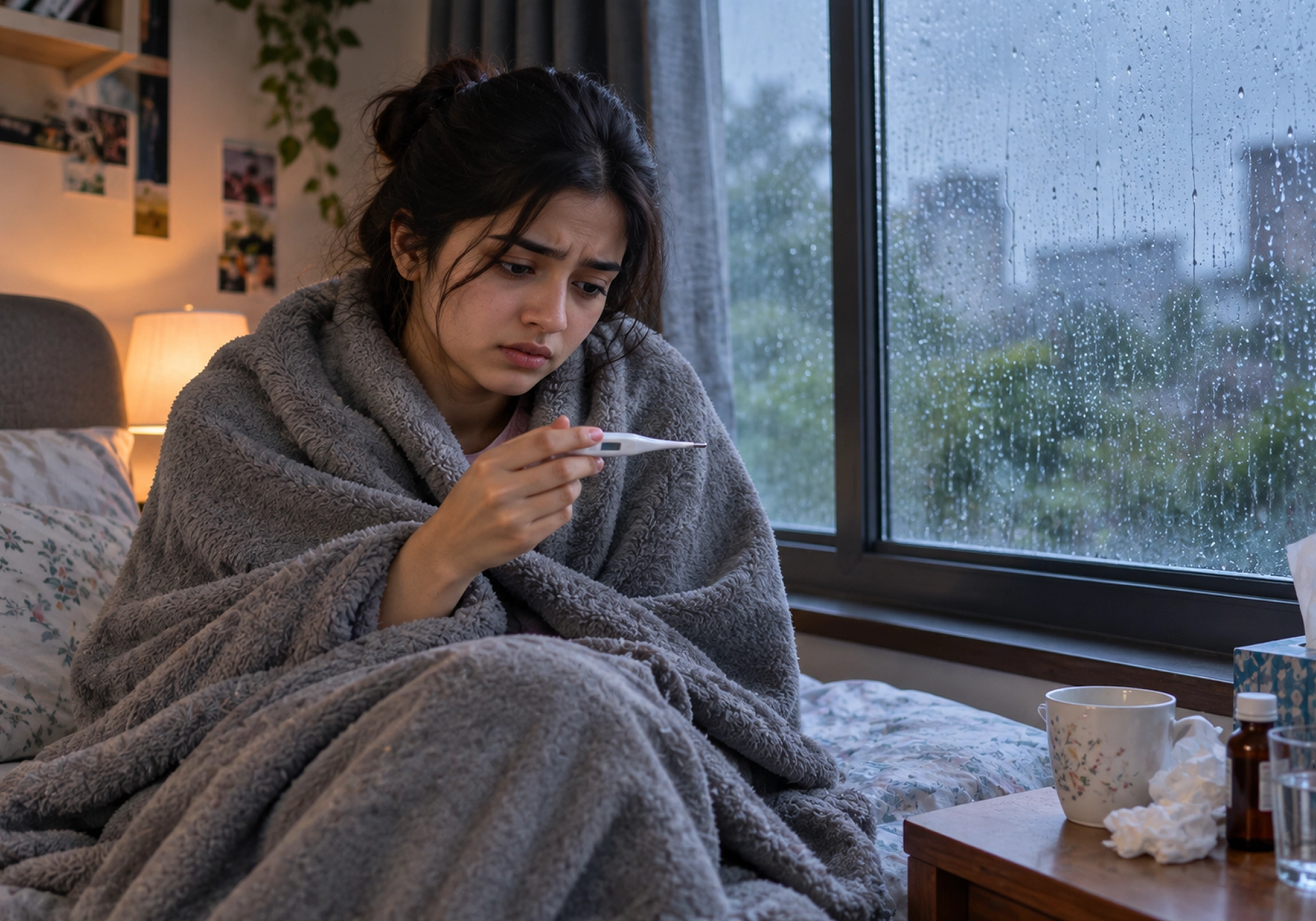
- Flu virus ( influenza A and B)
- Swine flu(H1N1), Covid etc.
Transmission–
- Airborne
- Touch
Symptoms-
- fever
- body ache
- runny or stuffy nose
- throat pain
- exhaustion.
- cough & sputum
- breathing difficulty
Prevention-
1.Minimise/ Avoid exposure-
- avoid crowded places .
- Stay away from sick people.
- Avoid touching common surfaces in public places.
- Use face mask.
- Wash hands with soap and water.
- Use alcohol based sanitizer for hand hygiene.
2. Antiviral prophylaxis ( as per doctors advice) –
start within 48 hrs of exposure and continue for 7 days.
3. Annaul Influenza Vaccination.
Cause –
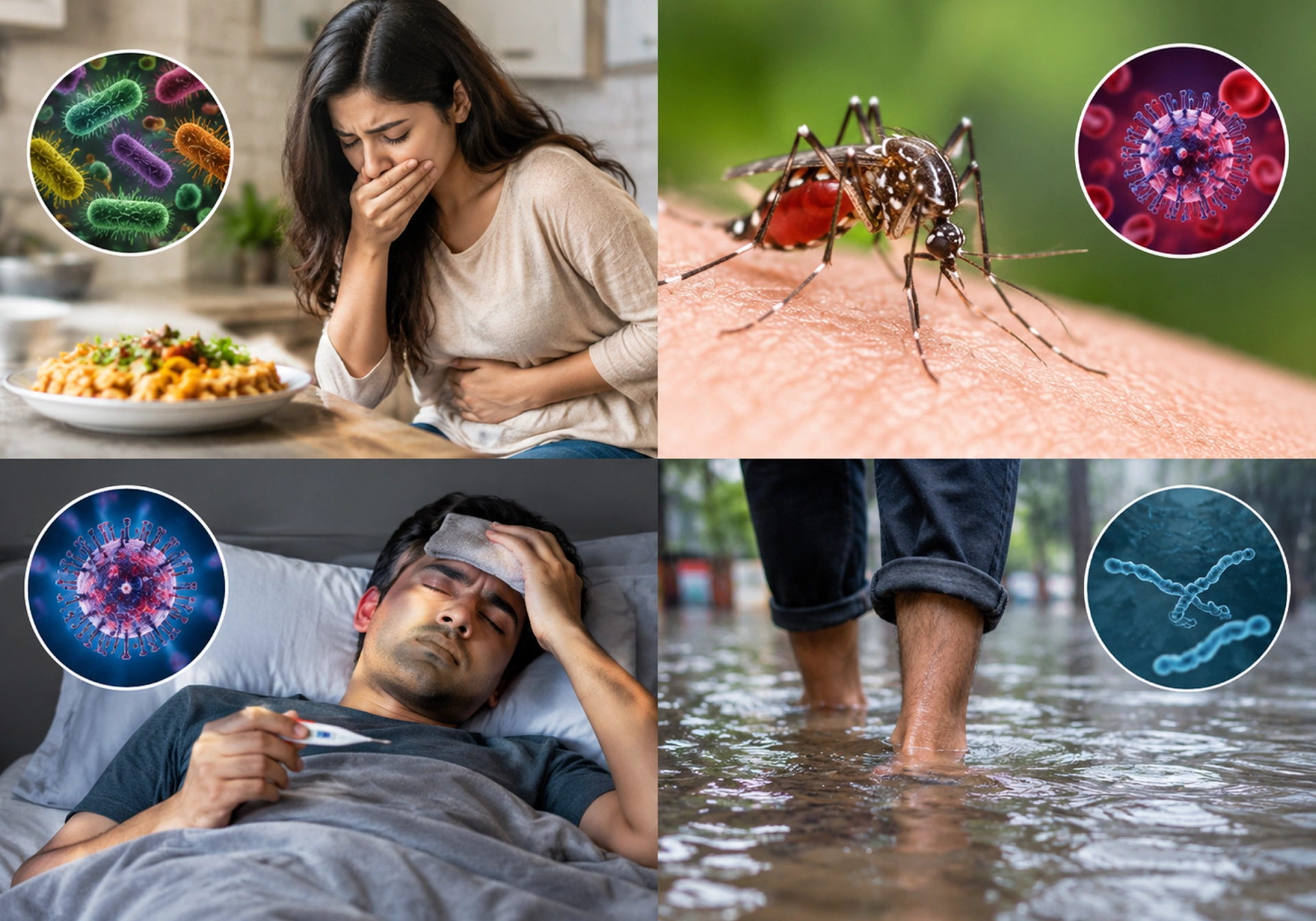
leptospira bacteria
Enters the humans via broken skin or mucus membrane ( mouth, nose, eyes) from water or soil contaminated with infected urine from rats, mice, dogs, live stocks or wild animals.
Enters the humans via broken skin or mucus membrane ( mouth, nose, eyes) from water or soil contaminated with infected urine from rats, mice, dogs, live stocks or wild animals.
Symptoms-
- Fever.
- Body aches.
- Rash.
- Bleeding.
- Nausea/ vomiting.
- Diarrhoea.
- Jaundice.
- Low blood pressure
- Multiple organ failure.
Prevention-
1.Avoid contact with contaminated water or soil-
- flood water
- Stagnant water.
- Farm soil.
- animal farm water runoff.
2.Post exposure prophylaxis-
If unavoidable contact has happened then ask doctor for antibiotic prophylaxis.
Diet to reduce Uric acid
Avoid
- Grains to avoid or limit – Oatmeal, wheat bran, wheat germ.
- Vegetables to avoid or limit– Asparagus, spinach, cauliflower, green peas, mushrooms.
- Fruits- chickoo,custard apple.
- Meats, poultry, seafood,Red meat,organmeat,fish,seafood,mincemeat, turkey.
- proteins to avoid or limit – dried beans, peas.
- Dairy- whole fat milk/cream
- Pulses- masoor dal.
- Other foods and drinks to avoid or limit – meat sauces, Meat- or fish-based soups, alcohol.
- Avoid starvation.
- Limit high fat cooking.
Have –
- Grains – whole-grain breads, pastas, cereals, rice
- Vegetables – All vegetables, except those that are moderate and high in purines. Vegetables to avoid or limit are listed above.
- Dairy – low-fat or fat-free milk, yogurt, or cheeses.
- Non veg – Egg white.
- Other foods and drinks – Water, tea, coffee, cocoa, condiments like salt, herbs, olives, vinegar, olive oil.
- Consume at least 3 liter water daily.( unless medically contraindicated)
Nonalcoholic Fatty Liver disease diet( NAFLD)
- Keep track of calories intake. Calorie restriction is the pillar for diet in NAFLD.
- Use the glycemic index (GI) to plan your meals.Choose low-GI foods.
What foods to eat?
- Grains-Whole grains, Quinoa, Brown rice
- Vegetables-Lettuce. Spinach. Peas. Cauliflower. Cabbage. Broccoli. Carrots. Tomatoes. Squash. Eggplant.Herbs. Peppers. Onions. Cucumbers. Brussels sprouts. Beans. Lentils.
- Fruits- Apples, Papaya, Kiwi, Cherries
- Meats and Other Protein- Fish, Lean meats, Poultry, Tofu
- Dairy- Low-fat or fat-free dairy products.
- Beverages- Water, Sugar-free drinks,Tea,Coffee,Low-fat or skim milk soy or almond milk
- Condiments- Mustard,low-sugar ketchup, barbecue sauce
- Sweets and Desserts-Sugar-free sweets.
- Fats and Oils- Canola or olive oil.Nuts and Seeds.
What foods to avoid
- Palm oil.
- coconut oil.
- Processed foods.
- Fried foods.
- Sweetened drinks.
- Alcohol.
- Sweets.
- All bakery products.
- All Halwai products.
Avoid-
- Raw or undercooked foods.
- Unpasteurised products.
- Unwashed or contaminated produce( fruits,vegetables etc).
- Other high-risk foods: Avoid fast food restaurants, salad bars, buffets, ice cream parlors, and street vendors.
- Food from street vendors.
- Buffets.
- Unsafe water for drinking.
Food preparation and safety-
- Cook thoroughly.
- Wash produce( fruits, vegetables etc)
- Practice good hygiene during food preparation.
- Prevent cross contamination-
- When grocery shopping, keep raw meat, poultry, seafood,and their juices away from other foods.
- Keep raw meat, poultry, seafood, and eggs separate from all other foods in the fridge.
- Use separate cutting boards and plates for raw meat,poultry, and seafood.
Store and reheat safely-
- Cooked foods should not be left at room temperature for more than 1 hour.
- Throw away leftovers in refrigerator after 2 days.
- Avoid thawing or marinating food on the counter.
- Thaw frozen food safely in the refrigerator, in cold water, or in the microwave.
- Always marinate food in the refrigerator.
- Drink safe water
- Bottled or canned beverages.
- Disinfected water ( boiled water,chlorinated water)
- Filtered water.
- Dairy products- use only pasteurised or cooked dairy products.
*The opinion expressed in the Blog is of Dr Vijay D’Silva
The information provided in the blog is for educational purpose only and does not substitute for professional medical advice, diagnosis or treatment.
Do not ‘self-diagnose/ treat’.
Consult a qualified medical professional for opinion and treatment.